
Energy-Efficient Insulated INOX Doors
Thermal bridge-free closing, heated frame systems, and thick PU insulation. Reliable operation even in the most extreme temperatures.
Don't heat the street from the cold room!
A significant part of cold store operating costs stems from poor sealing and weak insulation. For an industrial door, it's not just about being "thick", but having a thermal bridge-free structure that closes securely during hundreds of daily openings.
The solution: 60–120 mm thick, high-density polyurethane foam-filled, thermal bridge-free door leaf structures with special cold-resistant EPDM seals. This significantly reduces energy loss, condensation, and icing.
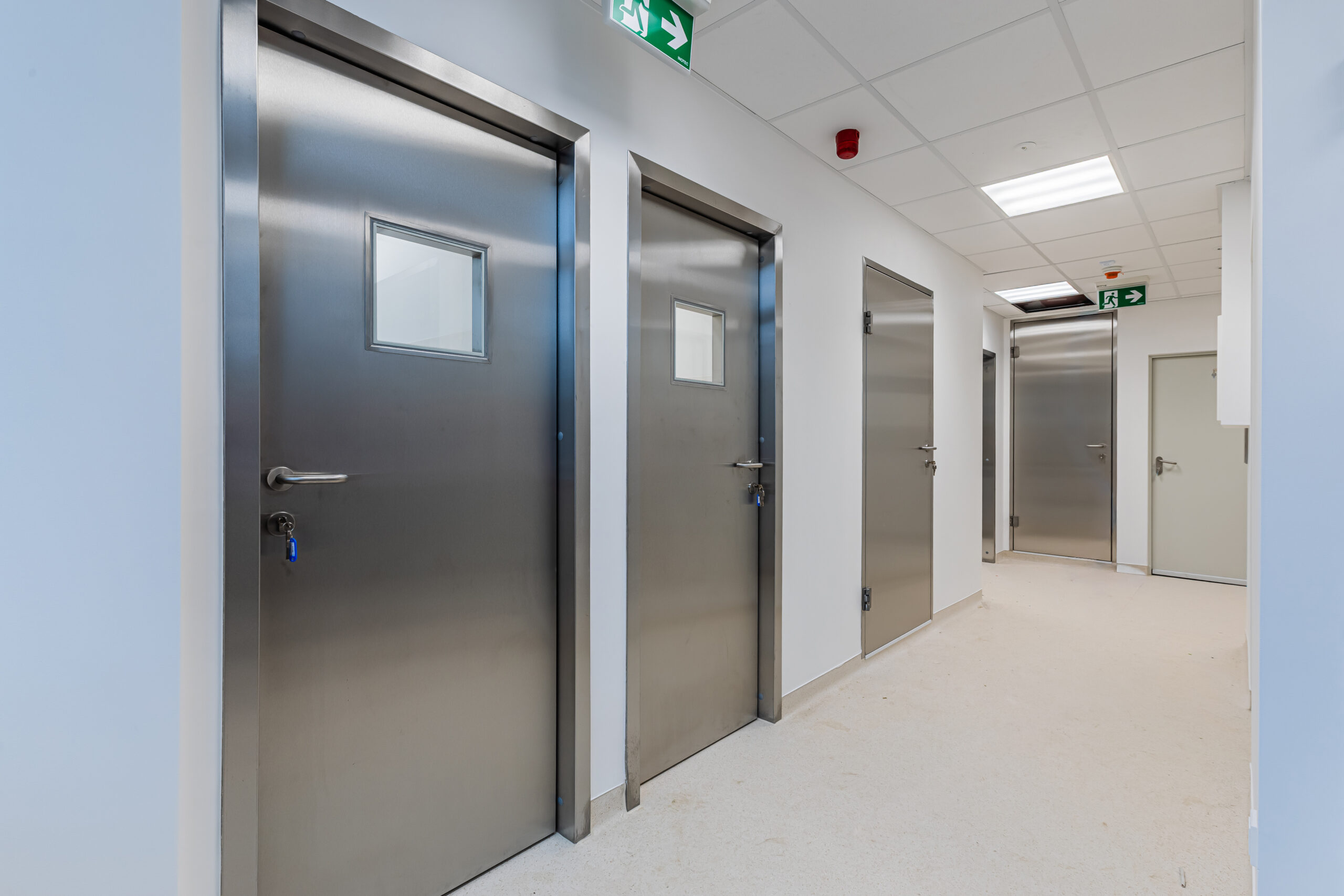
Choose a Door Type
INOX Cold Room Hinged Doors
Hermetic sealing for rooms above 0°C. For pedestrian traffic, with rising hinges.
Insulated Sliding Doors
Space-saving solution for large openings. Manual or automatic, for forklift traffic.
INOX Cold Room Swing Doors
Semi-insulated design for operational corridors. Fast, barrier-free passage.
Freezer Room Doors
For deep freeze rooms (-25°C). Extra insulation and heated frame system against icing.
Which door fits your technology?
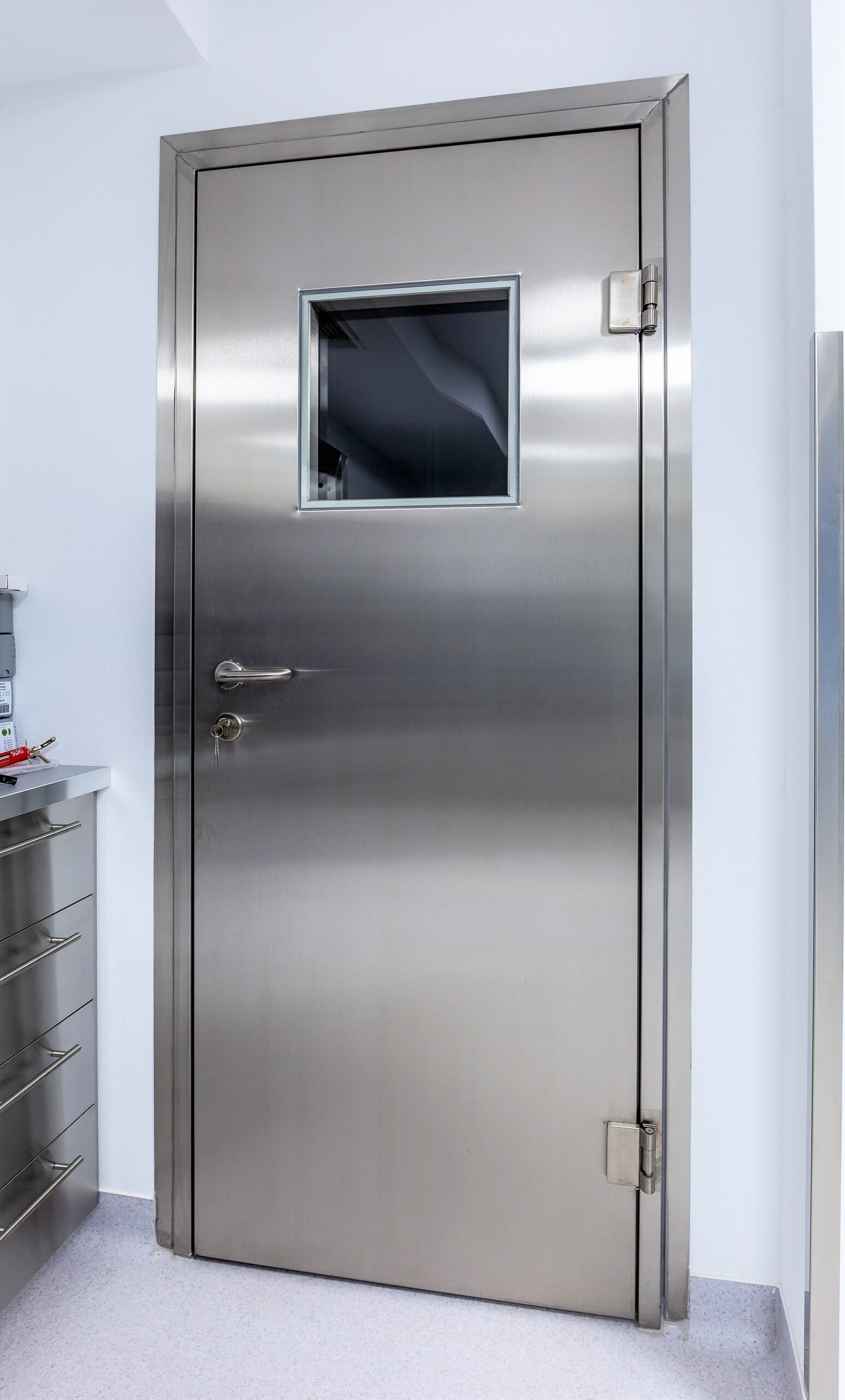
Ideal for rooms between 0°C and +5°C. 60–80 mm insulation, in single or double leaf design, with stable EPDM sealing.
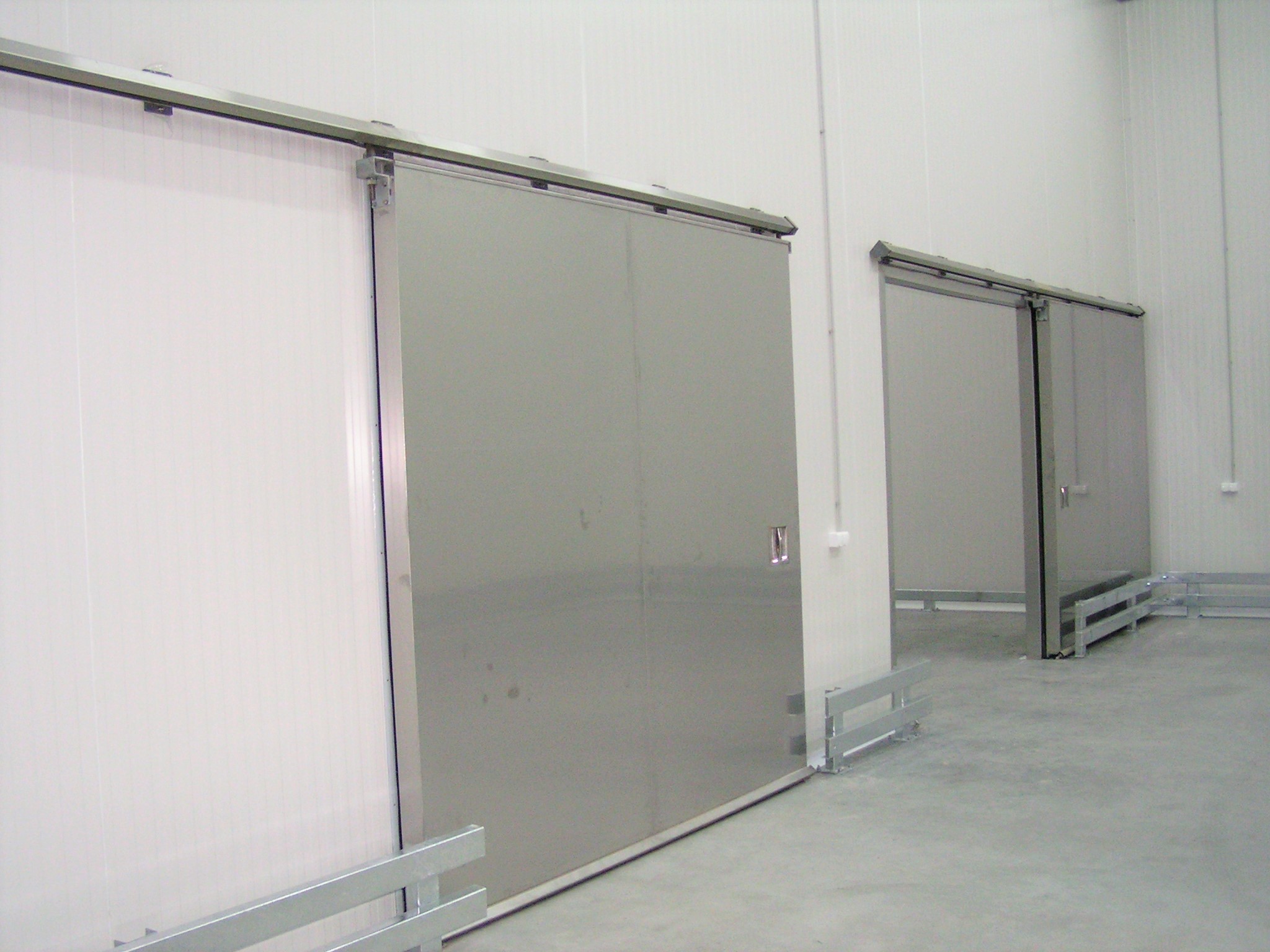
For high-traffic rooms below -20°C. 100–120 mm insulation, with a heated frame and "lift" opening to protect the seal.
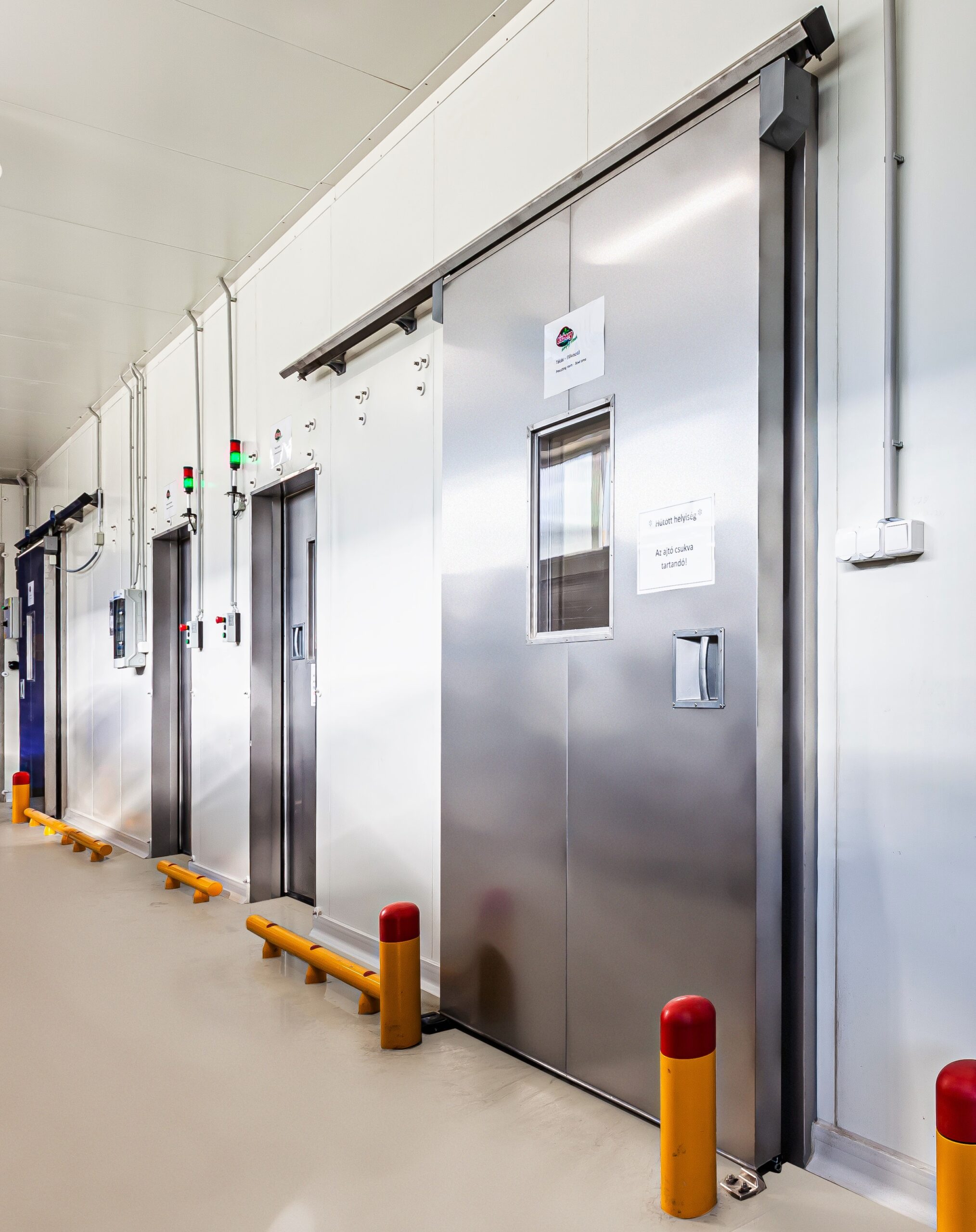
For air-conditioned processing areas (+12°C). Lighter panel, allowing fast transit in daily traffic.
Protection Against Frost and Condensation
With freezer room doors, icing is the biggest enemy where cold and warm sides meet. Our solutions eliminate this problem from the outset.
Heated Frame System
For freezer room doors, the heating built into the frame and threshold zone prevents the seals from freezing and ice from accumulating. Thanks to this, the door can be opened easily over the long term, and the closing always remains secure.
Always OpenableThermal Bridge-Free Profiles
Special composite profiles interrupt heat conduction between the cold and warm sides, reducing condensation and the resulting slip hazard around the opening.
Less CondensationIndustrial Design for a Long Service Life
We don't skimp on materials: our doors are sized for heavy-duty use.
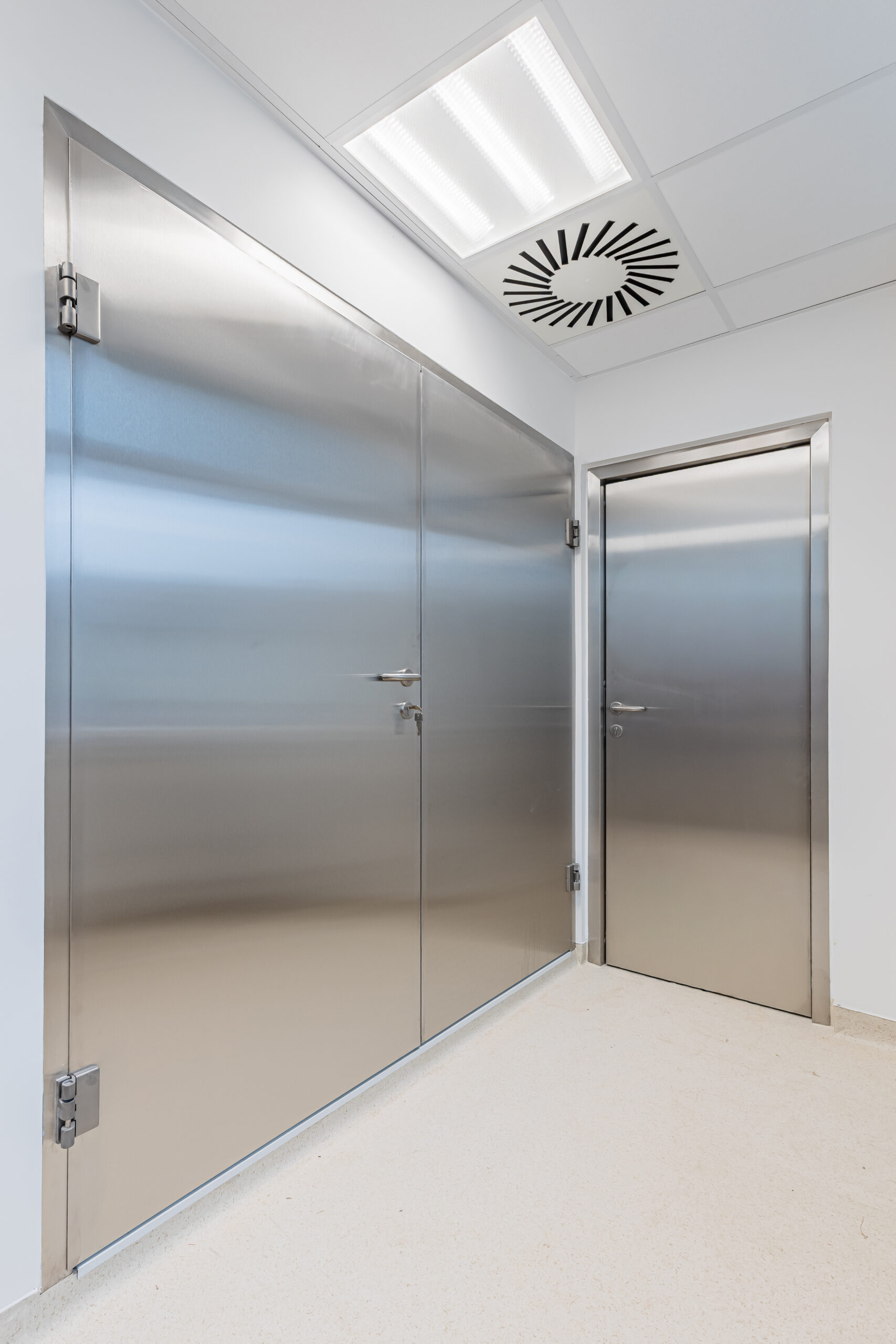
High-Density PUR Foam
The panels are filled with polyurethane foam at a density of 40–42 kg/m³, providing excellent rigidity and thermal insulation without thermal bridges.
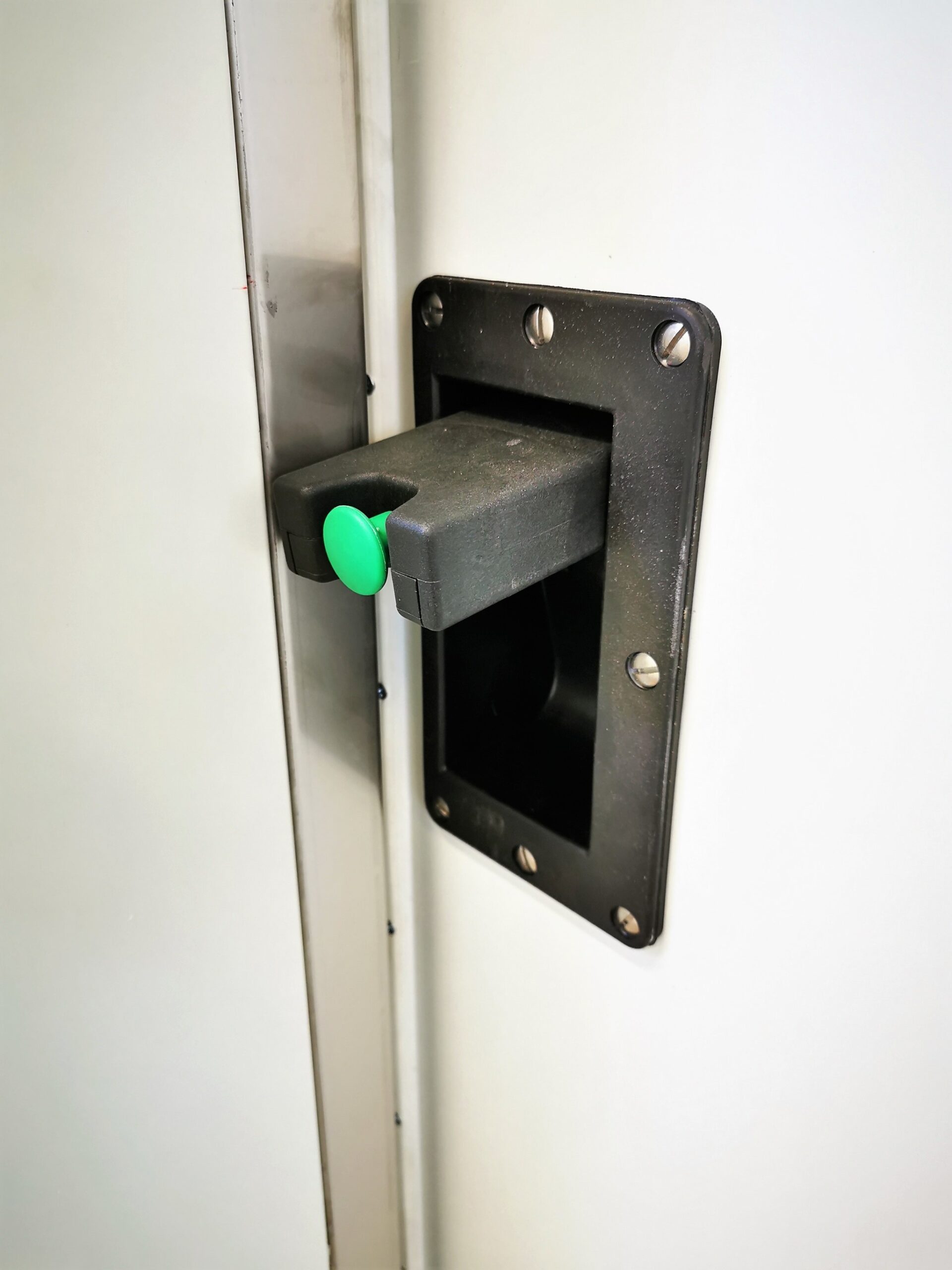
Panic Lock Function
All our cold room locks are equipped with an internal emergency release, ensuring immediate and safe exit from the cold room even in the event of accidental lock-in.
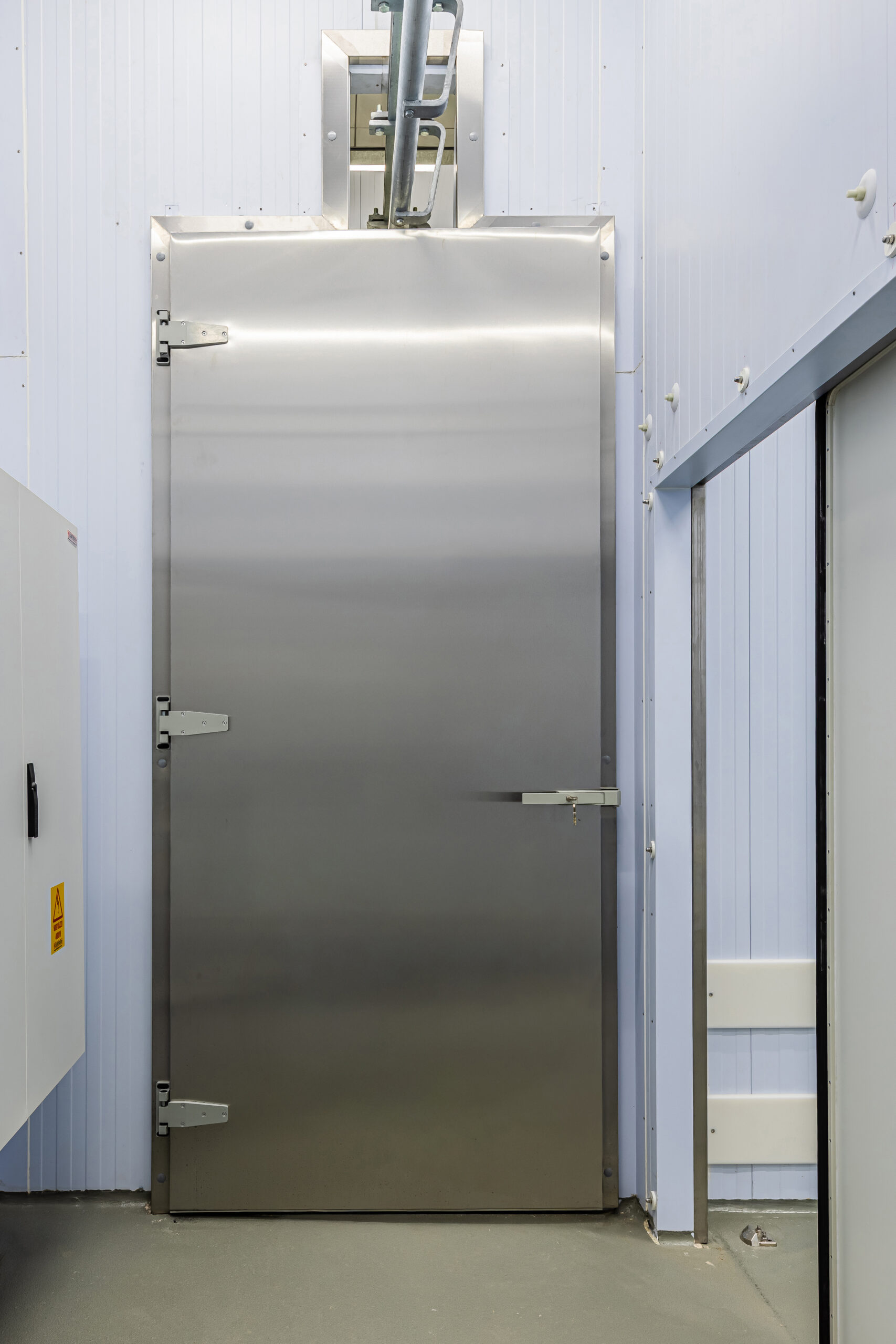
Hygienic Design
The decorative brushed surface of the door leaves is easy to clean, shows fewer fingerprints, and withstands high-pressure washing in industrial environments.
Frequently Asked Questions for Choosing a Cold Room Door
When is it necessary to choose a heated threshold?
In all cases where the internal temperature is below 0°C (deep freeze, freezer). Without heating, the seal can freeze to the frame, causing opening problems and premature wear.
How thick a door leaf do I need?
For a general cold room (0...+5°C), a thickness of 60–80 mm is sufficient. For a freezer (-18...-25°C), a 100 mm or 120 mm panel is recommended for stable temperatures and low energy consumption.
Can the door be thresholdless?
Yes, both our sliding doors and hinged doors can be ordered with a recessed threshold or in a thresholdless design, so forklifts and carts can pass through without obstacles.
How is the installation carried out?
We work with stainless steel frames that are fixed to the outer plane of the receiving structure (surface mounted) or into the opening (built-in). These two solutions ensure the most stable fixing, easy cleaning, and a hygienic connection.